Structural drying removes moisture from framing, subfloor, drywall, hardwood and concrete after water damage, using air movers, dehumidifiers and moisture meters. It is finished when readings in wet materials match unaffected areas, not after a fixed number of days. Most Littleton homes dry in about three to five days; hardwood, plaster and concrete take longer.
Structural drying is the part of water damage restoration that happens after the visible water is gone. Framing, subfloor, drywall, hardwood, concrete and insulation absorb water, and they release it slowly. Until those materials are back to normal moisture levels, a home isn’t really dry, even if the floors look and feel fine.
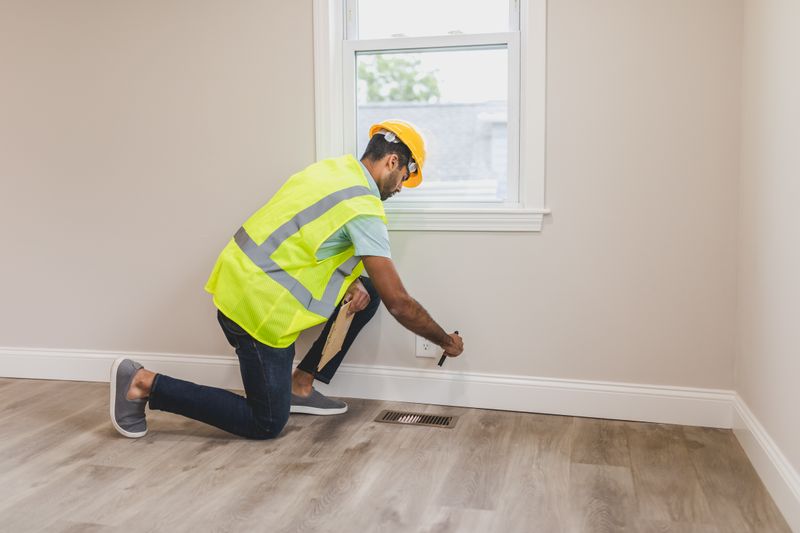
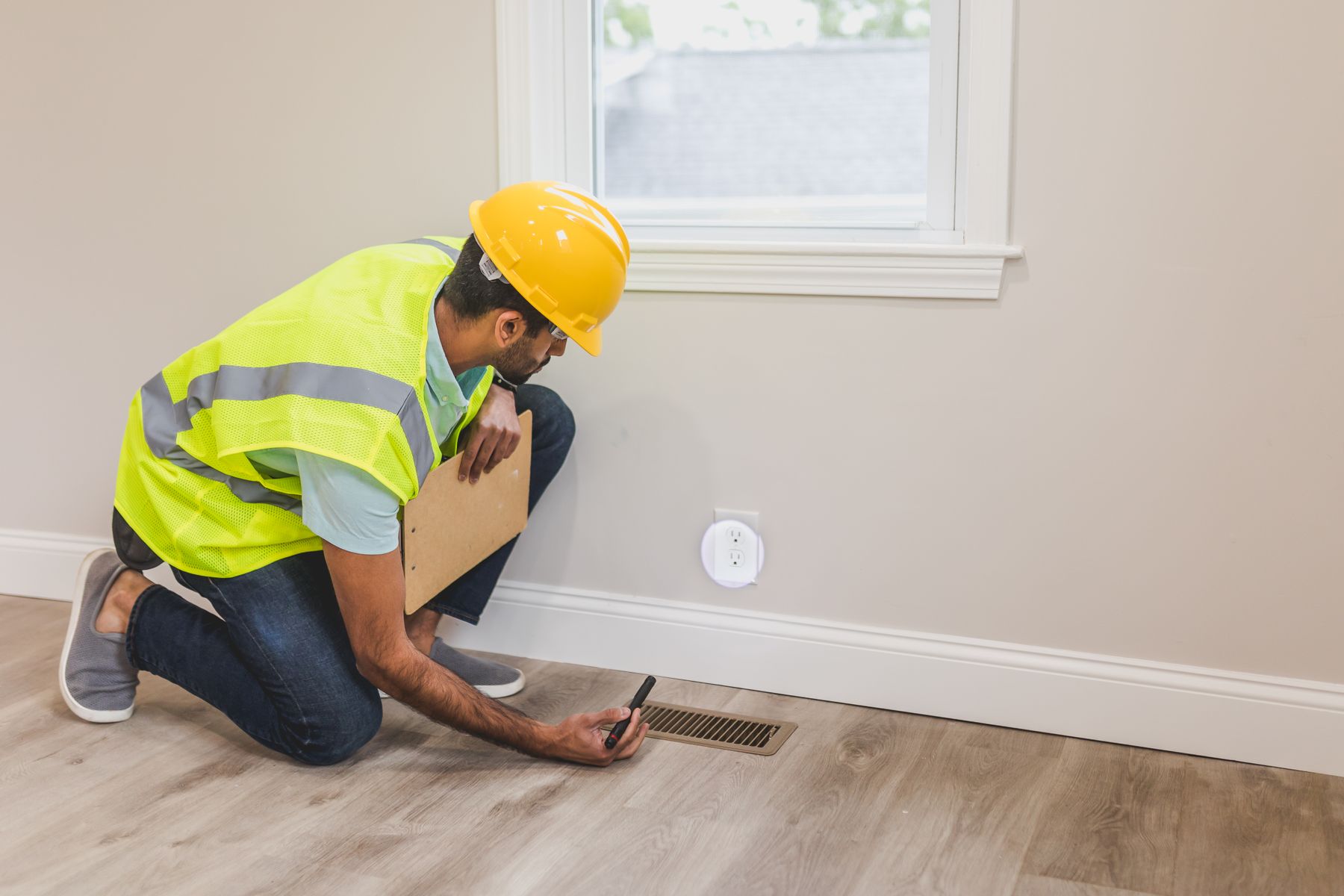
Professional drying is based on measurement. Technicians take readings in affected materials and compare them to the same materials in unaffected rooms. Then they set up a mix of air movers, dehumidifiers and sometimes specialty equipment to pull moisture out, and check progress until readings reach that dry standard.
Doing it this way often saves materials. Wall cavities can be dried in place through small holes, hardwood can sometimes be dried flat with drying mats, and cabinets can be dried without pulling them off the wall.
Structural Drying at a glance
- Availability
- 24/7, including nights, weekends & holidays
- Service area
- Littleton, CO: 80120, 80121, 80122, 80123, 80125, 80126, 80127, 80128, 80129, 80130, 80160, 80165, 80166
- Typical duration
- About 3–5 days (longer for hardwood, plaster, concrete)
- Finish line
- Readings match dry reference materials
- Equipment
- LGR & desiccant dehumidifiers, air movers, drying mats, thermal imaging
- Documentation
- Daily moisture logs for insurance
Drying Equipment & Methods
The right equipment depends on the materials, the size of the loss and the conditions inside the home.
High-Velocity Air Movers
Placed to move air across wet surfaces and speed evaporation from carpet, walls and subfloor.
LGR Dehumidifiers
Low-grain refrigerant units pull water vapor out of the air so evaporation keeps going instead of stalling.
Desiccant Dehumidifiers
Useful for dense materials, cold basements and large commercial spaces where refrigerant units are less effective.
Hardwood Drying Mats
Panels that draw moisture out of hardwood and subfloors, often letting cupped floors flatten instead of being replaced.
Thermal Imaging
Infrared cameras show temperature differences that often point to wet areas behind walls and above ceilings.
Moisture Meters & Logs
Pin and pinless meters and hygrometers record readings at each visit, so drying progress is documented.
Materials That Hide Moisture
- Bottom plates and studs inside walls
- Subfloor beneath carpet, tile and vinyl plank
- Hardwood flooring and the felt underneath
- Cabinet bases and toe kicks
- Insulation in exterior walls and ceilings
- Concrete basement slabs
- Stair treads and stringers
- Plaster walls in older homes
Many of these materials feel dry on the surface long before they’re dry inside. That’s why the finish line is a meter reading, not a touch test.
Leaving Water Damage to Dry on Its Own?
Fans and an open window help with surface water, but they can’t dry wall cavities or subfloors. If water sat in your home for more than a few hours, consider a professional moisture check, especially if:
- Water reached carpet pad, hardwood or laminate
- Water ran under walls or cabinets
- The home has a finished basement
- You notice a musty smell after a few days
How Does Structural Drying Work?
Structural Drying in Littleton follows four steps:
Moisture Mapping
Readings are taken across the affected area and compared to dry reference points to set drying goals for each material.
Drying Plan & Setup
Air movers and dehumidifiers are sized to the space. Baseboards may come off and small holes may be drilled to dry cavities.
Daily Monitoring
Readings, temperature and humidity are logged on each visit, and equipment is moved as areas dry.
Verified Dry Standard
Equipment comes out when readings meet the drying goals, and the documentation goes to you and your insurer.
What Does Structural Drying Include?
- Prevents mold behind walls
- Reduces hardwood cupping & warping
- Saves cabinets & trim
- Limits drywall tear-out
- Removes lingering odors
- Supports insurance claims with data
- Confirms when repairs can begin
- Protects flooring warranties
Insurance adjusters often expect to see drying logs that show starting readings, daily progress and final readings. Those records show the work was necessary and that the structure was dry before repairs, which helps protect you if questions come up later.
Drying in Colorado’s Climate
Littleton’s semi-arid climate gives drying a head start. Outdoor air is often dry enough to help, and drying times here can be shorter than in humid states. But dry air alone doesn’t reach water trapped under flooring or inside insulated walls, and basements stay cool and damp regardless of the weather outside.
Winter brings its own challenge. Cold indoor temperatures slow evaporation, so crews may need the home kept warm or may add heat to keep drying on schedule. In summer, afternoon thunderstorms can raise humidity for a few hours, which is why dehumidifiers stay on even when the air outside feels dry.
Structural Drying by Littleton Area & ZIP Code
Structural Drying is available in every Littleton ZIP code. Here’s what to know in each part of the service area:
| Area | ZIP codes | What to know locally |
|---|---|---|
| Downtown Littleton | 80120, 80160, 80165, 80166 | Plaster walls and old-growth hardwood dry more slowly than modern materials, so moisture is tracked daily until they reach normal levels. |
| Centennial & Southglenn | 80121, 80122 | Vinyl plank and hardwood installed over older subfloors can trap moisture, so drying focuses on what’s underneath the new flooring. |
| Bow Mar & Columbine Valley | 80123 | Wide-plank hardwood and custom millwork call for drying mats and cavity drying to avoid replacing hard-to-match materials. |
| Roxborough & Sterling Ranch | 80125 | New-construction materials and walk-out lower levels both need measured drying, since moisture moves from the slab into framing. |
| Ken Caryl & Dakota Ridge | 80127 | Moisture has to be tracked across stairways and between levels, where water follows framing and pipe chases. |
| Columbine & Chatfield | 80128 | Bi-level lower levels sit partly below grade, so concrete and framing need measured drying before finishes go back in. |
| Highlands Ranch | 80126, 80129, 80130 | Finished basements over concrete slabs need dehumidification and measured drying before carpet and drywall are replaced. |