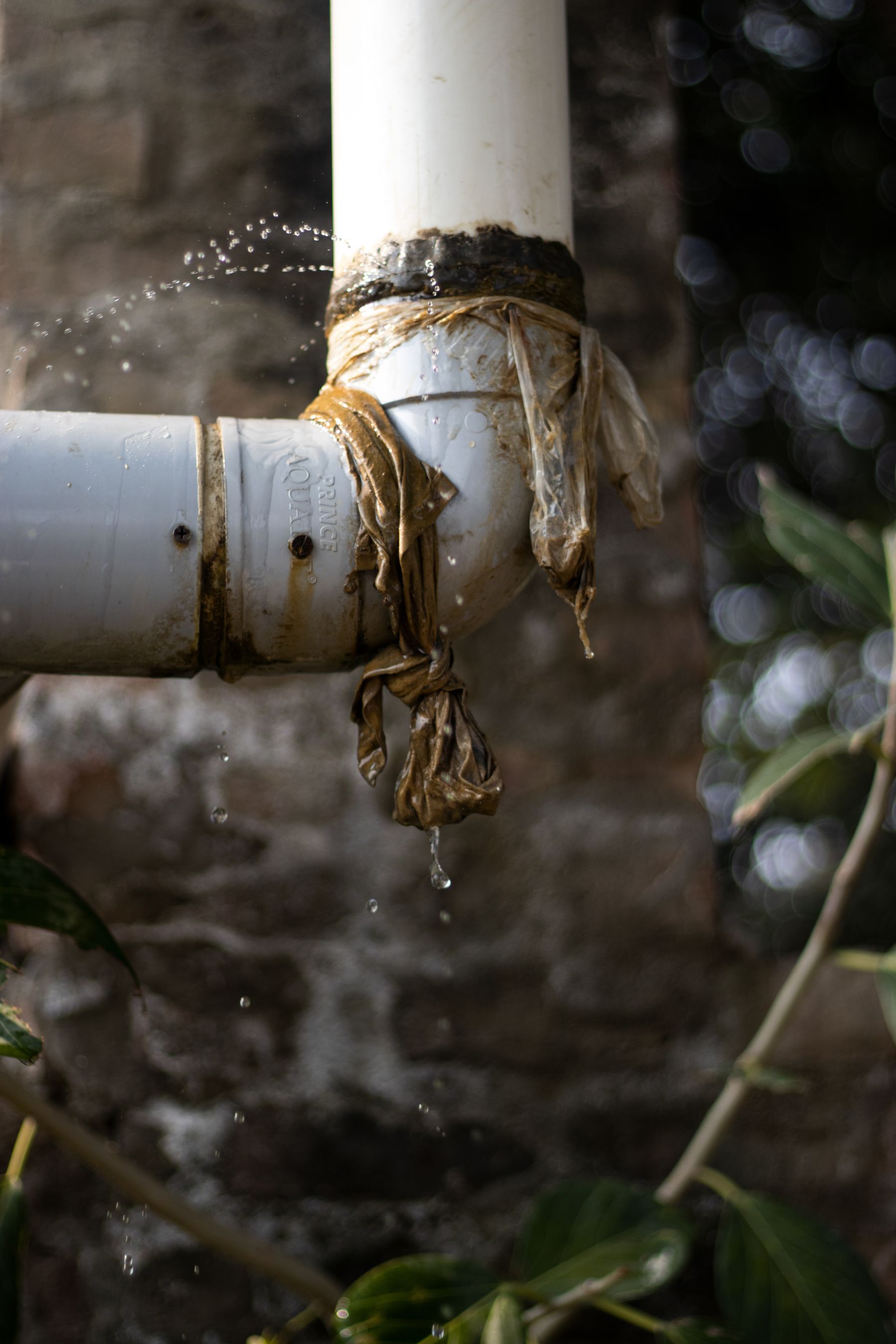
If a pipe bursts in your Littleton home, shut off the main water valve, open a faucet to relieve pressure, turn off power to wet areas and call for water extraction. Most bursts happen during winter cold snaps in exterior walls, garages and crawlspaces, and leaks usually start when the pipe thaws. Sudden bursts are typically covered by homeowners insurance.
Few things cause water damage as fast as a burst pipe. A half-inch supply line under household pressure can release several gallons a minute, and because pipes run inside walls, ceilings and floors, the water often goes straight into the structure before anyone sees it.
In Littleton most burst pipes happen in winter. Arctic air can push overnight temperatures well below zero, and pipes in exterior walls, unheated garages, crawlspaces, attics and under kitchen sinks on outside walls are the most likely to freeze. The ice itself doesn’t usually cause the leak. Pressure builds behind it and splits the pipe, and water starts flowing once it thaws, often the next afternoon or when you return from a trip.
Burst pipe cleanup means shutting down the water, extracting what has pooled, opening up wet ceilings or walls where needed, and drying the cavities so the repair can be closed up without trapped moisture.
Frozen & Burst Pipe Cleanup at a glance
- Availability
- 24/7, including nights, weekends & holidays
- Service area
- Littleton, CO: 80120, 80121, 80122, 80123, 80125, 80126, 80127, 80128, 80129, 80130, 80160, 80165, 80166
- Peak season
- December–February arctic cold snaps
- Highest-risk spots
- Exterior walls, garages, crawlspaces, hose bibs, attics
- Typical work
- Extraction, ceiling and wall cavity drying, drywall repair
- Insurance
- Usually covered if sudden and the home was kept heated
Where Pipes Freeze in Littleton Homes
These are the spots that most often fail during a Front Range cold snap.
Exterior Wall Plumbing
Kitchen and bathroom sinks on outside walls, especially with cabinets closed, can drop below freezing on the coldest nights.
Hose Bibs & Sillcocks
A garden hose left attached traps water in a frost-proof spigot, which can split inside the wall and leak into the basement.
Garages & Crawlspaces
Lines that run through unheated garages, crawlspaces or the floor of a bonus room over the garage are especially exposed.
Attic & Fire Sprinkler Lines
Pipes in attics and sprinkler lines in poorly insulated spaces can freeze when wind drives cold air through gaps.
Vacant or Vacationing Homes
A thermostat set too low, or a furnace that quits while you’re away, can lead to multiple bursts throughout a house.
Aging or Brittle Supply Lines
Older galvanized pipe and some plastic lines from the 1980s and ’90s are more likely to fail under freeze stress.
Signs of a Frozen or Burst Pipe
- Little or no water from a faucet during a cold snap
- Frost visible on exposed pipes
- Bulging or cracked sections of pipe
- The sound of running water with fixtures off
- Wet spots or bulging on ceilings and walls
- Water pooling in the basement below a spigot
- A sudden drop in water pressure
- An unusual jump in the water meter reading
If a pipe is frozen but hasn’t burst, keep the faucet open and warm the area gently with a hair dryer or a space heater placed at a safe distance. Never use an open flame.
Pipe Burst? Do This First
Shut off the main water valve right away. In most Littleton homes it’s in the basement or crawlspace on the wall facing the street, or in a utility room near the water heater. Then:
- Open faucets to drain the remaining pressure
- Turn off power to wet rooms at the breaker
- Catch drips from ceilings with buckets and towels
- Photograph the pipe and all water damage
How Does Frozen & Burst Pipe Cleanup Work?
Frozen & Burst Pipe Cleanup in Littleton follows four steps:
Shutoff & Assessment
The crew confirms the water is off, locates the burst, and maps how far water has traveled through walls, ceilings and floors.
Extraction & Opening Up
Standing water is extracted. Wet ceiling drywall and insulation may be removed, and small access holes help dry wall cavities.
Cavity & Structural Drying
Air movers and dehumidifiers dry framing, subfloor and cavities, with daily readings to confirm progress.
Repair Coordination
After the plumber repairs the line, drywall, texture, paint and flooring are restored to match the rest of the home.
What Does Frozen & Burst Pipe Cleanup Include?
- Emergency water extraction
- Ceiling drywall removal when saturated
- Wet insulation removal
- Wall cavity drying
- Hardwood & subfloor drying
- Moisture mapping & logs
- Antimicrobial application
- Drywall, texture & paint repair
Burst pipe losses are usually considered sudden and accidental, which is the kind of water damage most homeowners policies are written to cover. Detailed photos of the failed pipe and moisture readings make the claim much easier to support.
Preventing the Next Freeze
Before the first hard freeze each fall, disconnect garden hoses, shut off and drain any interior valves that feed outdoor spigots, and insulate pipes in garages and crawlspaces. During cold snaps, open sink cabinets on exterior walls, let a faucet drip, and keep the thermostat at least in the mid-50s, even when you’re away.
If you travel during winter, consider shutting off the main water valve and asking a neighbor to check the house. Many burst pipe calls in Littleton come from homeowners returning from a holiday trip to find water coming through the ceiling.
Frozen & Burst Pipe Cleanup by Littleton Area & ZIP Code
Frozen & Burst Pipe Cleanup is available in every Littleton ZIP code. Here’s what to know in each part of the service area:
| Area | ZIP codes | What to know locally |
|---|---|---|
| Downtown Littleton | 80120, 80160, 80165, 80166 | Older homes with less wall insulation and original galvanized pipe are more vulnerable when arctic air drops overnight temperatures below zero. |
| Centennial & Southglenn | 80121, 80122 | Older exterior walls with less insulation, plus hose bibs left connected, are common freeze points during Arapahoe County cold snaps. |
| Bow Mar & Columbine Valley | 80123 | Plumbing that runs to bonus rooms, garages and exterior walls in larger homes is exposed on sub-zero nights. |
| Roxborough & Sterling Ranch | 80125 | Colder overnight lows near the foothills raise freeze risk for pipes in exterior walls, garages and crawlspaces. |
| Ken Caryl & Dakota Ridge | 80127 | Homes near the foothills see colder overnight lows, and polybutylene supply lines in some 1980s–’90s homes are prone to failure. |
| Columbine & Chatfield | 80128 | Plumbing in the exterior walls and garages of 1970s–’90s homes is exposed during arctic cold snaps. |
| Highlands Ranch | 80126, 80129, 80130 | Original plumbing in first-generation homes, and pipes in garages and bonus rooms, are vulnerable during cold snaps. |