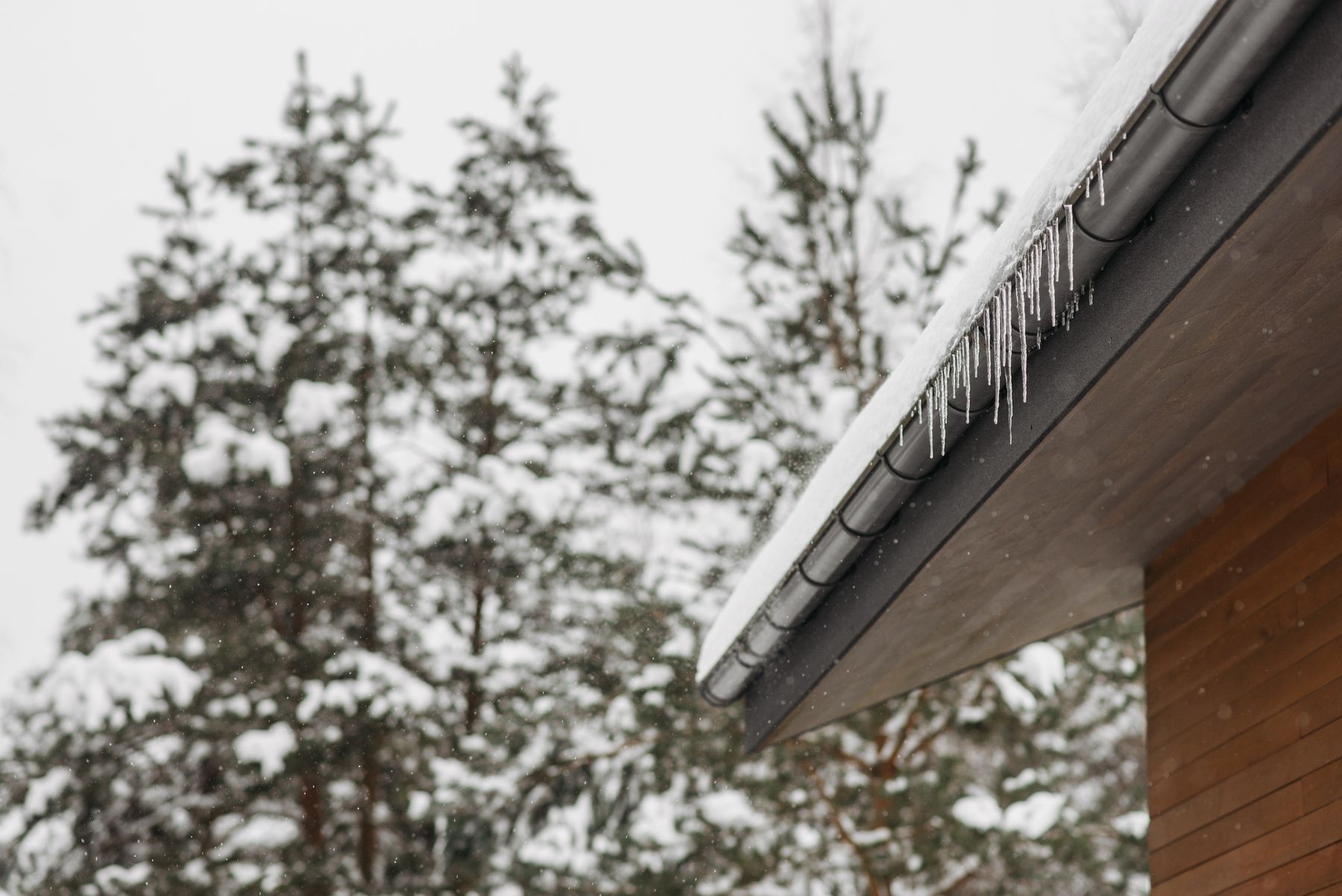
Littleton winters are mostly mild and sunny, until an arctic front drops temperatures below zero overnight. Those sudden cold snaps cause many of the area’s burst pipes, often in homes that never had a problem before.
- Pipes in exterior walls, garages, crawlspaces and hose bibs freeze first.
- Burst pipes usually start leaking when they thaw, not while frozen.
- Keep the heat at least in the mid-50s and let vulnerable faucets drip during cold snaps.
- If a pipe bursts, shut off the main valve and call for water extraction.
Why pipes burst
When water in a pipe freezes, it expands. The ice usually doesn’t split the pipe where it forms. Instead, pressure builds between the ice blockage and a closed faucet, and the pipe splits at a weak point. While the pipe is frozen, the ice plugs the crack. The flooding starts when it thaws, which is why burst pipes are often discovered the next afternoon, or days later when someone returns from a trip.
Where pipes freeze in Littleton homes
- Exterior walls: kitchen and bathroom sinks on outside walls, especially behind closed cabinet doors.
- Hose bibs: frost-proof sillcocks only work if the hose is disconnected. A hose left attached keeps water in the part of the spigot inside the wall, where it can freeze and split.
- Garages: water lines that run through an unheated garage, or the floor of a bonus room built over one.
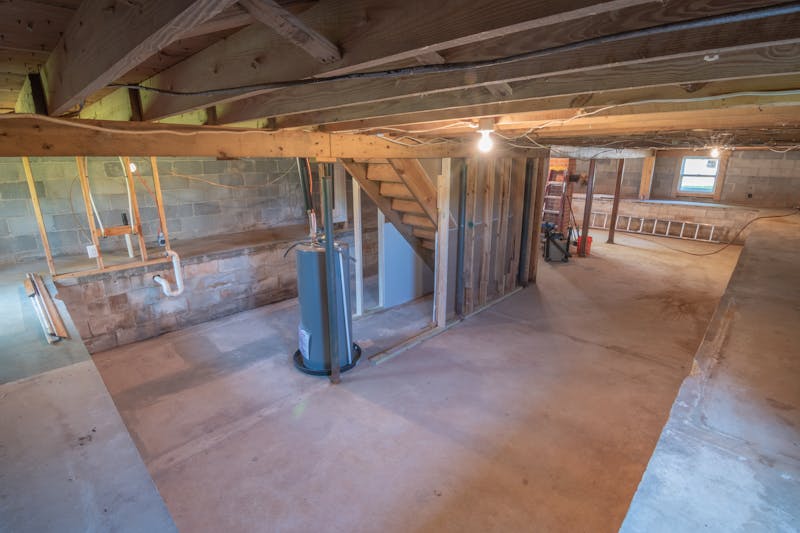
- Crawlspaces and basements: pipes near rim joists, foundation vents or gaps where cold air gets in.
- Attics: supply lines, and fire sprinkler lines in some homes.
- Irrigation systems: backflow preventers and sprinkler lines that weren’t blown out in fall.
Before winter: a fall checklist
- Disconnect, drain and store garden hoses before the first hard freeze.
- Shut off and drain any interior valves that feed outdoor spigots.
- Have the irrigation system blown out, and insulate or cover the backflow preventer.
- Insulate exposed pipes in garages, crawlspaces and unfinished basements with foam pipe sleeves.
- Seal gaps around rim joists, dryer vents and anywhere pipes pass through exterior walls.
- Find your main water shutoff and make sure it turns. Show everyone in the house where it is.
- Service the furnace so it doesn’t quit during the first cold snap.
During a cold snap
- Open cabinet doors under sinks on exterior walls so warm air reaches the pipes.
- Let faucets on vulnerable lines drip slowly. Moving water is less likely to freeze, and an open faucet relieves pressure.
- Keep the garage door closed.
- Keep the thermostat steady, day and night. If you’re leaving town, set it no lower than the mid-50s.
How to thaw a frozen pipe safely
If a faucet gives only a trickle during a cold snap, a pipe may be frozen. Open the faucet, then gently warm the pipe, starting near the faucet and working back toward the cold area, using a hair dryer, a heating pad or a space heater kept a safe distance from anything flammable. Never use an open flame or a torch. Keep the faucet open until full pressure returns, and watch for leaks as water starts flowing again.
If you can’t reach the frozen section, or you suspect it’s already cracked, shut off the main water valve and call a plumber.
If a pipe bursts
- Shut off the main water valve immediately.
- Open faucets to drain the lines.
- Turn off electricity to wet areas if you can do so safely.
- Photograph the pipe and every area of damage.
- Call a plumber for the pipe and a restoration company for water removal and drying. These usually happen in parallel.
- Report the loss to your insurer.
A burst pipe can soak ceilings, wall cavities and subfloor in minutes. Even after the visible water is cleaned up, those areas need measured drying to prevent mold and warping. See frozen and burst pipe cleanup for how that process works.
Traveling in winter
Many of the worst burst-pipe losses happen in empty homes. If you’ll be away during winter, keep the heat on, consider shutting off the main water valve and opening a faucet to drain pressure, and ask a neighbor to check the house, especially after a cold night. A smart water shutoff valve or inexpensive leak sensors can alert you to problems while you’re gone.
Related service: Frozen & Burst Pipe Cleanup in Littleton, CO.
Sources & industry standards
This guide is general information for Littleton-area homeowners, written with reference to the sources above. It isn’t professional, legal or insurance advice. See our editorial standards.