The short answer: most residential water losses take about three to five days of professional drying. The real answer depends on what got wet, how long it stayed wet, and how the drying is done.
- Most homes take about three to five days of professional drying.
- Hardwood, plaster and concrete can take one to two weeks or more.
- Drying is done when moisture readings match unaffected areas.
- Colorado’s dry air helps, but it can’t dry wall cavities or subfloors on its own.
Typical drying times by material
| Material | Typical drying time* | Notes |
|---|---|---|
| Carpet (clean water) | 1–3 days | Pad is usually replaced; carpet can often be dried in place. |
| Drywall | 2–4 days | Faster with baseboards removed or wall cavities vented. |
| Wood framing & subfloor | 3–5 days | Dense or layered assemblies take longer. |
| Hardwood flooring | 5–14 days | Drying mats help; drying too fast can cause cracking. |
| Plaster walls | 4–10 days | Common in older Downtown Littleton homes. |
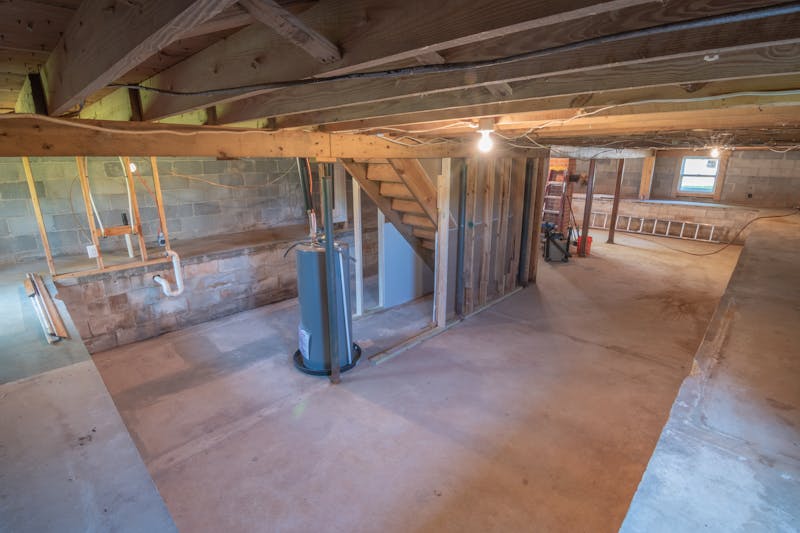
| Concrete slab | Several days to weeks | Basement slabs hold water and release it slowly. |
*General ranges for planning. Every water loss is different.
What affects drying time
- How long the water sat. The longer water stays, the deeper it soaks into materials and the longer drying takes.
- Water category. Contaminated water (sewage or floodwater) usually means porous materials are removed instead of dried, which changes the timeline.
- Materials. Dense materials such as hardwood, plaster and concrete dry more slowly than drywall and carpet.
- Equipment. The right number of air movers and dehumidifiers, placed correctly, makes a big difference.
- Temperature. Warm materials release moisture faster. Cold winter basements dry slowly unless heat is managed.
- Access. Water trapped under cabinets, tile or vinyl plank may need targeted drying or removal of the covering.
Does Colorado’s dry climate help?
Somewhat. Littleton’s low outdoor humidity means the air can absorb more moisture, and drying times here can be shorter than in humid climates. But dry air doesn’t reach inside an insulated wall or under a floating floor on its own. Without airflow aimed at wet surfaces and dehumidifiers removing the moisture, trapped water can stay put for weeks.
How pros know a home is dry
Professional drying sets a goal for each material based on readings from unaffected areas of the same home. Technicians take readings at the start and on each visit, and keep drying until wet materials match those dry reference readings. That’s the finish line, not a set number of days, and not whether something feels dry to the touch.
A drying log lists readings by location and date. It’s useful for your insurer, and it’s your proof that walls and floors were dry before they were closed up or covered.
What you can do to help
- Keep equipment running around the clock, and don’t move it unless the crew asks.
- Keep windows and exterior doors closed unless the technician says otherwise, so dehumidifiers work efficiently.
- Keep the home at a normal, comfortable temperature.
- Report any new odors, stains or wet spots right away.
After drying
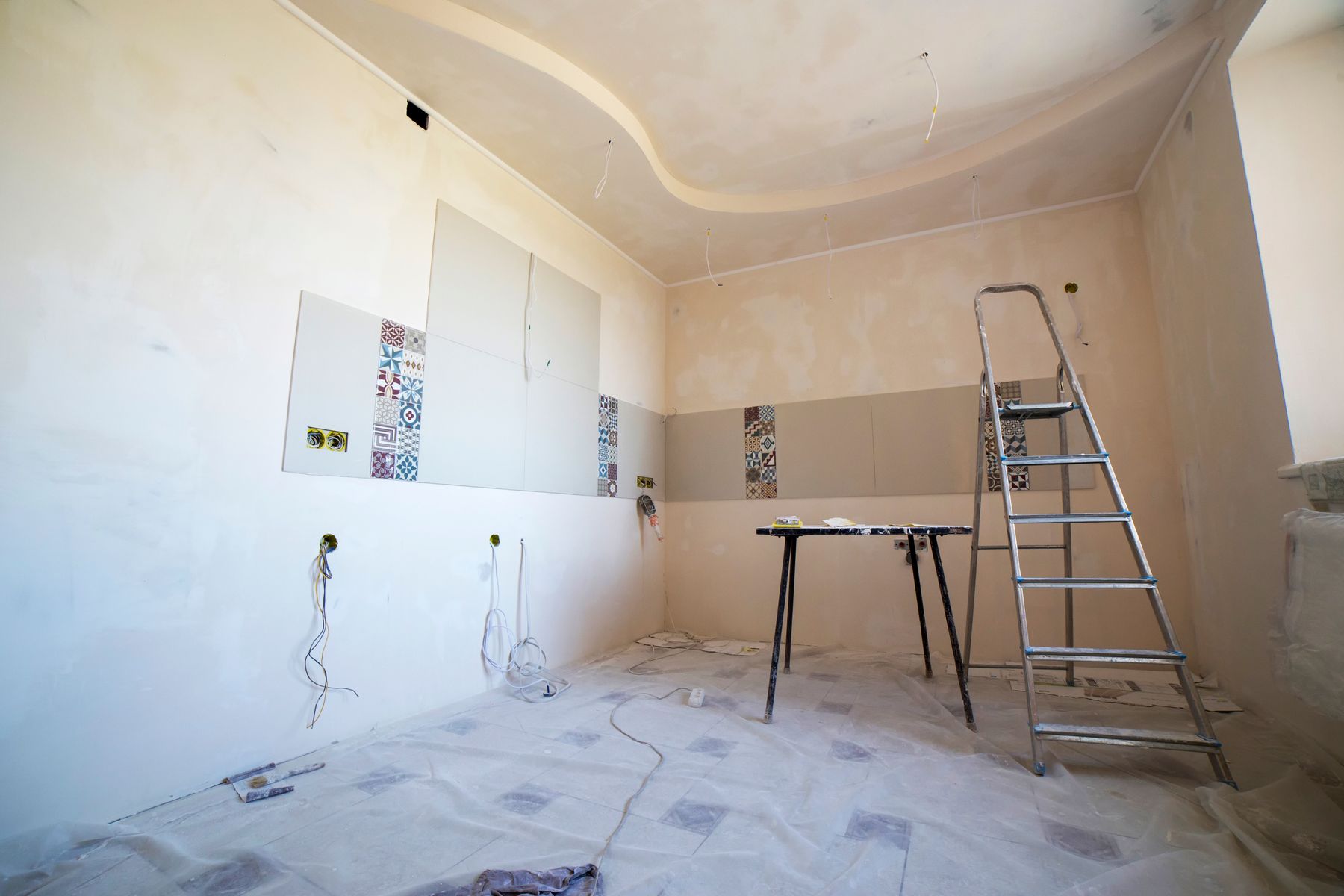
Once readings confirm the structure is dry, repairs can start: new pad and carpet, drywall patches, texture, paint and trim. Closing walls or installing new flooring before that point risks trapping moisture and growing mold. Learn more about professional structural drying.
Related service: Structural Drying in Littleton, CO.
Sources & industry standards
This guide is general information for Littleton-area homeowners, written with reference to the sources above. It isn’t professional, legal or insurance advice. See our editorial standards.