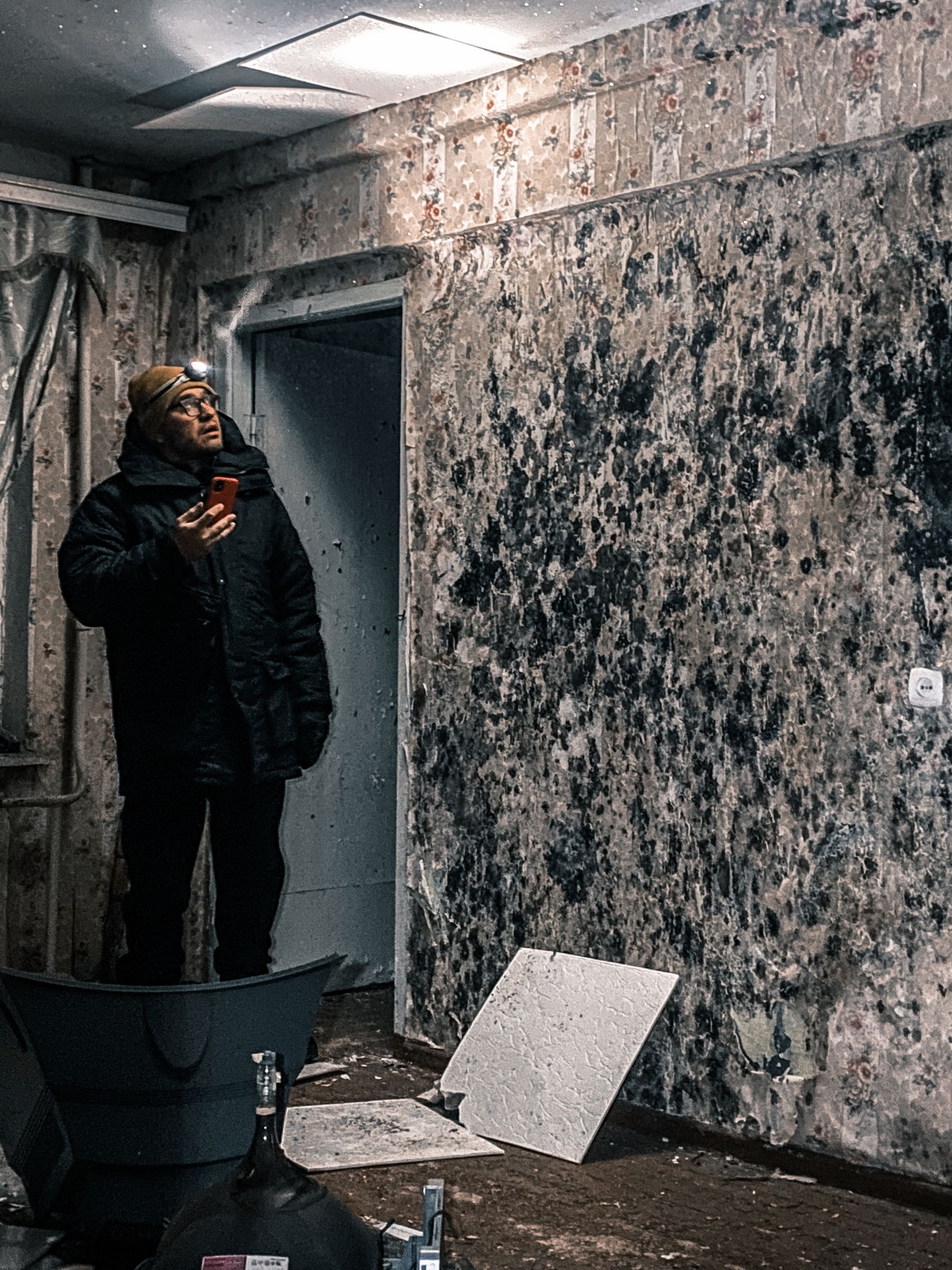
Mold remediation contains mold-affected areas, filters the air with HEPA equipment, removes contaminated porous materials, cleans and treats framing, and fixes the moisture source so mold doesn’t return. In Littleton homes, mold usually follows unresolved leaks in finished basements, bathrooms, attics and crawlspaces. EPA guidance suggests professionals handle areas larger than about 10 square feet.
Mold needs three things: a food source, the right temperature and moisture. Drywall paper, wood framing, carpet backing and dust supply the food, and homes are always within the right temperature range. That leaves moisture as the one factor that can be controlled, and it’s why mold almost always follows a leak, flood or humidity problem that wasn’t fully dried.
Professional mold remediation isn’t just spraying and wiping. Industry guidance (the IICRC S520 standard) focuses on containing the affected area so spores don’t spread, filtering the air, physically removing contaminated porous materials, cleaning what can be cleaned, and drying the structure. Then the moisture source has to be corrected, or the mold comes back.
In Littleton, mold calls usually involve finished basements, bathrooms without good exhaust ventilation, crawlspaces, attics with roof or ice dam leaks, and walls where a slow plumbing leak went unnoticed.
Mold Remediation at a glance
- Availability
- 24/7, including nights, weekends & holidays
- Service area
- Littleton, CO: 80120, 80121, 80122, 80123, 80125, 80126, 80127, 80128, 80129, 80130, 80160, 80165, 80166
- Industry standard
- IICRC S520 mold remediation standard
- DIY threshold (EPA)
- Roughly under 10 sq ft, if the moisture is fixed
- Growth timeline
- Can begin within about 24–48 hours of wetting
- Key step
- Correct the moisture source or mold returns
Where Mold Grows in Littleton Homes
Even in a dry climate, mold grows wherever moisture is trapped.
Finished Basements
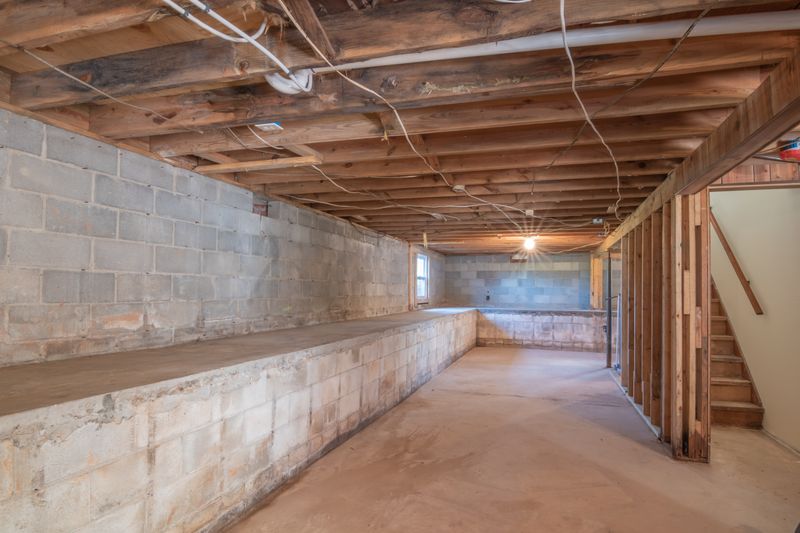
Past leaks, sump failures and humid summer air leave carpet pad and drywall damp below grade.
Bathrooms
Missing or undersized exhaust fans, leaking shower pans and failed caulking keep surfaces damp.
Attics
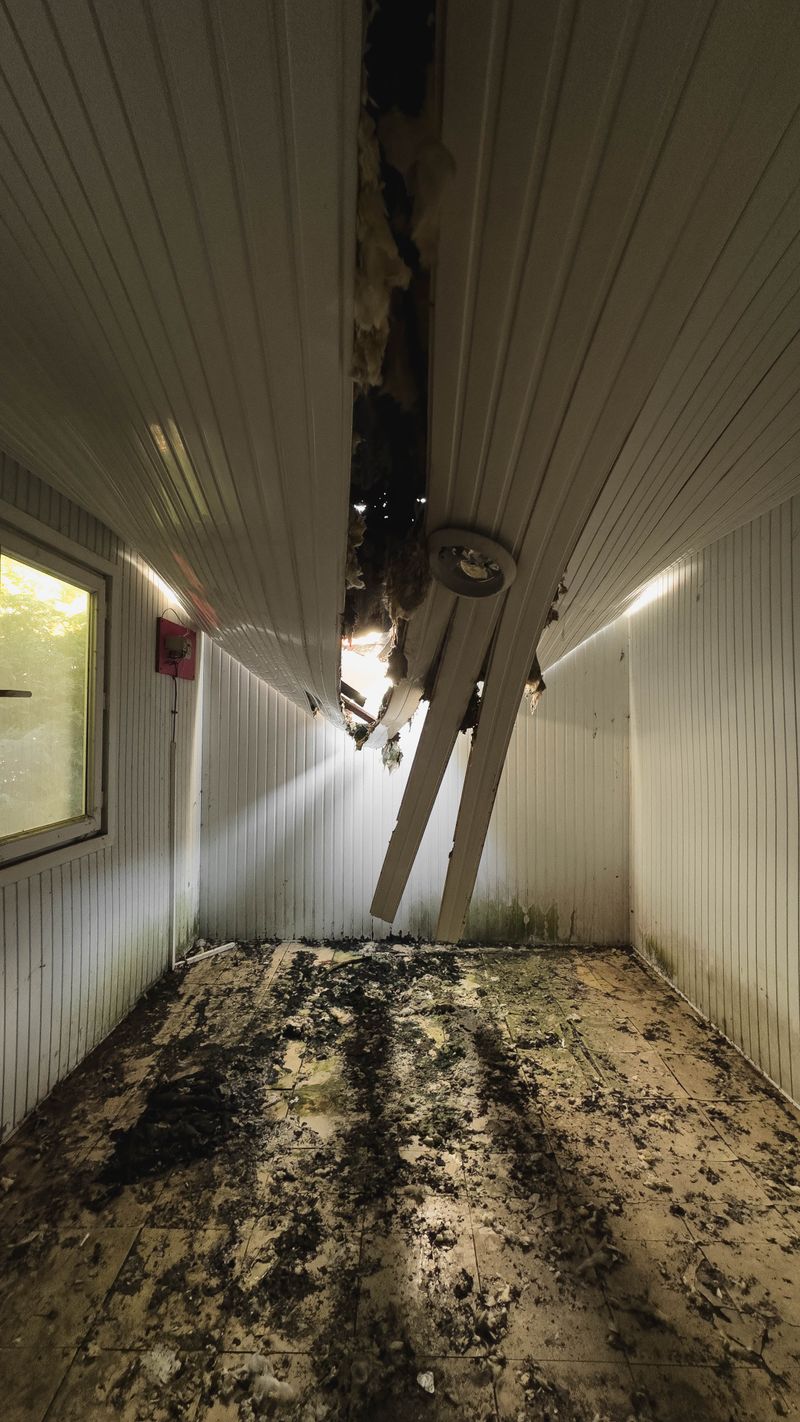
Ice dams, roof leaks and bathroom fans vented into the attic instead of outdoors wet the roof sheathing.
Behind Cabinets & Appliances
Slow leaks under sinks, dishwashers and refrigerators go unseen until the cabinet floor is ruined.
Crawlspaces
Exposed soil, poor ventilation and plumbing leaks can make crawlspaces humid all year.
After Water Damage
Any water loss that isn’t dried within about 48 hours can lead to growth inside walls and under floors.
Signs You May Have a Mold Problem
- A persistent musty or earthy odor
- Black, green or white spotting on walls or ceilings
- Discoloration that returns after cleaning
- Warped, stained or bubbling drywall
- Allergy-like symptoms that ease when you leave home
- A past leak or flood that wasn’t professionally dried
- Condensation on windows and cold walls
- Fuzzy growth on stored items in the basement
You don’t always need testing to act. If mold is visible, or there’s a known moisture problem and a musty odor, the priority is fixing the moisture and removing the growth. Testing is most useful when the source is hidden, or after remediation to verify results.
Found Mold? What Not to Do
Disturbing mold can release spores throughout the house. Until a professional can assess it:
- Don’t scrub or sand visible mold
- Don’t run fans that blow across the affected area
- Turn off HVAC if growth is near returns or ducts
- Keep people with asthma or allergies away
How Does Mold Remediation Work?
Mold Remediation in Littleton follows four steps:
Inspection & Moisture Source
The extent of the growth is assessed and the moisture source is identified, because remediation fails if the water problem continues.
Containment & Air Filtration
Plastic barriers and negative air machines with HEPA filters keep spores in the work area and away from the rest of the home.
Removal & Cleaning
Contaminated drywall, insulation and carpet are removed and bagged. Framing is cleaned, HEPA-vacuumed and treated.
Dry, Verify & Rebuild
The area is dried, inspected and, if you choose, tested by a third party before new materials are installed.
What Does Mold Remediation Include?
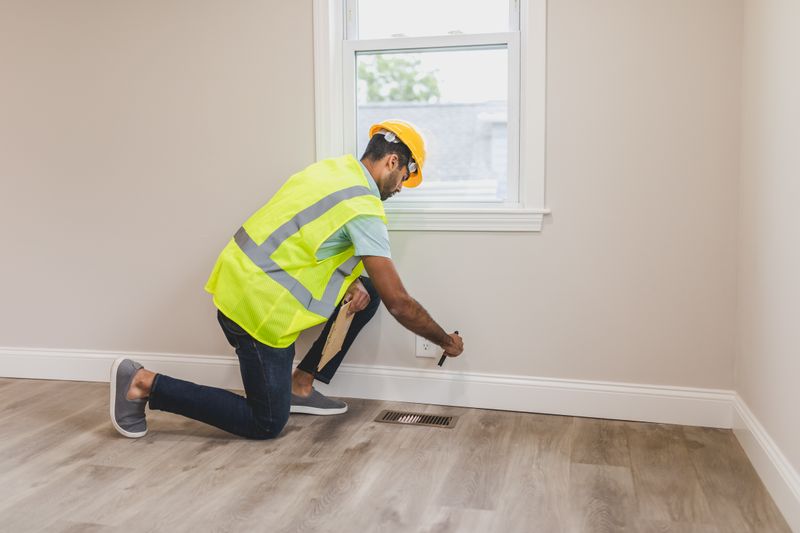
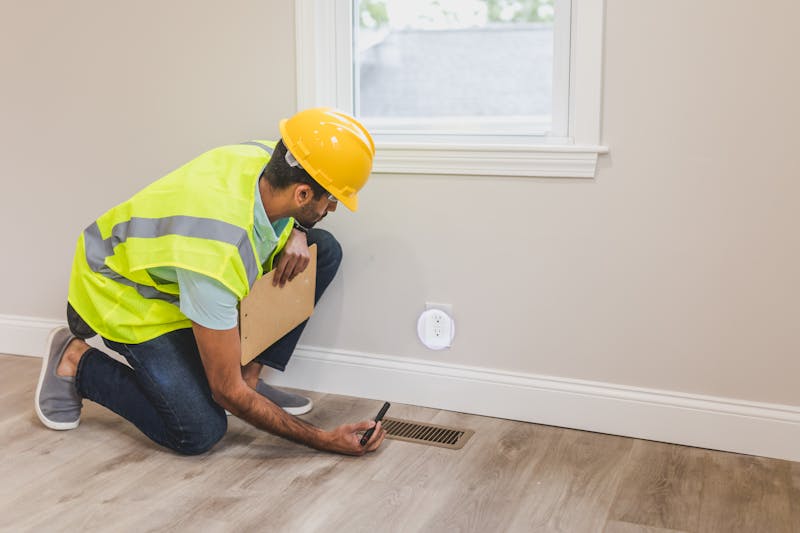
- Visual & moisture inspection
- Containment barriers
- HEPA negative air filtration
- Removal of affected drywall & insulation
- HEPA vacuuming & surface cleaning
- Antimicrobial treatment
- Odor control
- Reconstruction after clearance
Bleach isn’t recommended for mold on porous materials like drywall and wood. It can lighten the stain without removing the growth inside the material. The reliable approach is to remove contaminated porous materials and clean the framing and other hard surfaces.
Mold in a Dry Climate? Yes.
It’s a common belief that mold isn’t much of a problem in Colorado. Outdoor air is dry, but mold grows on wet materials, not dry air. A slow drip under a sink, a sump pump that failed last spring or a bathroom without a working fan creates the same conditions here as anywhere else.
Basements are the most frequent location in South Metro homes. Cool concrete walls collect condensation in summer, finished basements trap moisture behind drywall and carpet, and water from window wells and foundation cracks often goes unnoticed until there’s an odor.
Mold Remediation by Littleton Area & ZIP Code
Mold Remediation is available in every Littleton ZIP code. Here’s what to know in each part of the service area:
| Area | ZIP codes | What to know locally |
|---|---|---|
| Downtown Littleton | 80120, 80160, 80165, 80166 | Older basements with past seepage, stone or block foundations and limited ventilation are where mold most often turns up downtown. |
| Centennial & Southglenn | 80121, 80122 | Long-finished basements and bathrooms without strong exhaust fans are the usual mold locations in established Southglenn-area homes. |
| Bow Mar & Columbine Valley | 80123 | Irrigation seepage along foundations and large below-grade spaces can create hidden basement moisture where mold develops. |
| Roxborough & Sterling Ranch | 80125 | Early drainage issues in new homes and slow leaks in established hillside homes can cause hidden mold in lower levels. |
| Ken Caryl & Dakota Ridge | 80127 | Basements and bathrooms in 1980s and ’90s homes with past leaks that weren’t fully dried are common mold locations. |
| Columbine & Chatfield | 80128 | Finished basements with past sump failures or window well leaks are the most common places mold is found. |
| Highlands Ranch | 80126, 80129, 80130 | Basement mold often traces back to a past sump failure, window well leak or slow plumbing leak that wasn’t fully dried. |