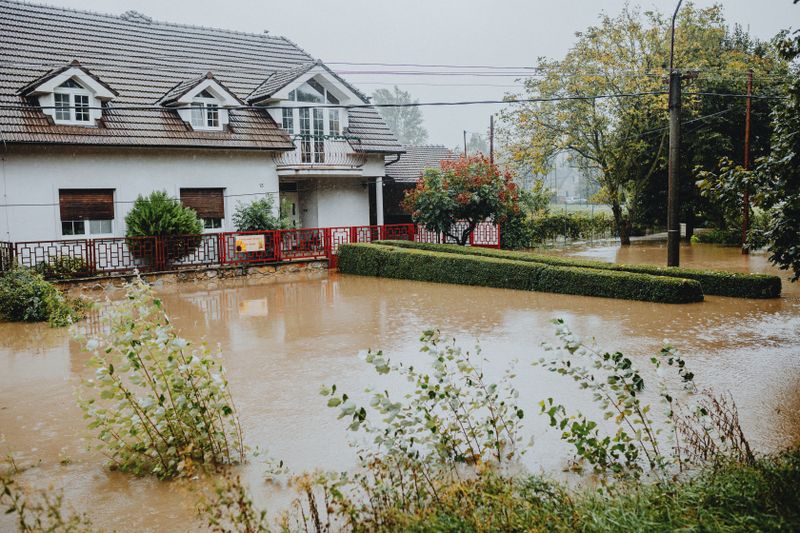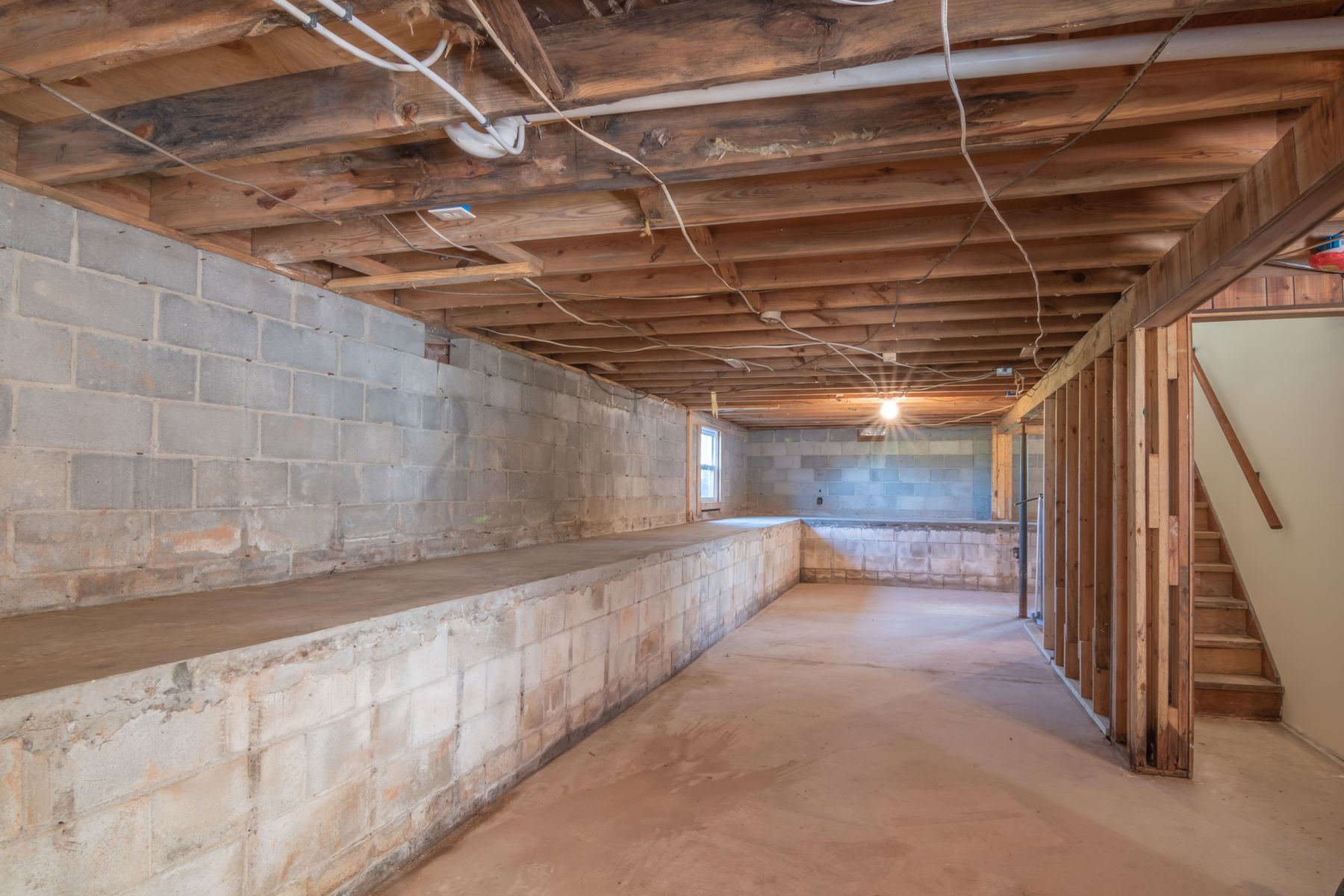
Basement flood cleanup removes water from finished or unfinished basements, dries framing, drywall and concrete to verified levels, and prevents mold. In Littleton the most common causes are sump pump failures, window well flooding, foundation cracks in expansive clay soil, water heater leaks and floor drain backups. Help is available 24/7 in every Littleton ZIP code.
Basements are where water damage in Littleton most often ends up. Water runs downhill, so a leak on the main floor, a failed sump pump, a flooded window well or a crack in the foundation all eventually show up below grade. Many South Metro homes have fully finished basements with carpet, drywall, bedrooms and home offices, which means far more can be damaged than an unfinished concrete floor.
Basements also dry slowly. They’re cooler, have less airflow and sit against soil and concrete that hold moisture. Water left in carpet pad, the bottom plates of framed walls or under laminate can keep the space damp long after the surface looks dry, and that’s the setting where mold and musty odors develop.
Basement flood cleanup gets the water out, opens up what needs to be opened, and dries the space to verified moisture levels before anything is put back.
Basement Flood Cleanup at a glance
- Availability
- 24/7, including nights, weekends & holidays
- Service area
- Littleton, CO: 80120, 80121, 80122, 80123, 80125, 80126, 80127, 80128, 80129, 80130, 80160, 80165, 80166
- Most common causes
- Sump pump failure, window wells, foundation cracks, water heaters, floor drain backups
- Usually replaced
- Carpet pad, lower drywall and wet insulation
- Usually saved
- Framing, concrete and often carpet (clean water only)
- Insurance note
- Sump and backup damage often needs a water backup endorsement
Why Littleton Basements Flood
Most basement floods here start in one of these places.
Sump Pump Failure
Power outages during storms, stuck float switches and pumps past their service life are leading causes of finished-basement flooding.
Window Well Overflow
Snowmelt and heavy rain fill window wells that lack covers or proper drainage, and the water comes in through the window.
Foundation Cracks & Expansive Soil
Front Range clay soils swell and shrink with moisture, stressing foundations and opening cracks that let groundwater in.
Water Heater & Furnace Leaks
Water heaters, humidifiers and furnace condensate lines often sit in basement mechanical rooms.
Floor Drain & Sewer Backup
A blocked main line can push wastewater up through the basement floor drain, the lowest opening in the house.
Plumbing Leaks From Above
Leaks from kitchens, bathrooms and laundry rooms drain down through the floor and end up in the basement.
Basement Water Warning Signs
- Damp or discolored carpet near exterior walls
- White, chalky residue (efflorescence) on concrete
- Musty odor, especially in closets and corners
- Water stains at the bottom of drywall
- Peeling paint on foundation walls
- Rust on the water heater base or furnace
- Sump pit running constantly, or not at all
- Swollen door casings and baseboards
A small, recurring damp spot is easy to ignore, but it often means water is getting in somewhere and soaking into framing and pad each time.
Water Coming Into the Basement Now?
If water is rising near outlets, extension cords or the furnace, stay out, and shut off power at the main panel only if you can reach it from a dry area. Then:
- Check whether the sump pump is running and has power
- Clear snow or debris from window wells if it’s safe
- Move boxes and electronics to a higher floor
- Stop using sinks and toilets if the floor drain is backing up
How Does Basement Flood Cleanup Work?
Basement Flood Cleanup in Littleton follows four steps:
Extract & Pump Out
Standing water is pumped and extracted, and the source is found, whether it’s a pump, a window well, plumbing or groundwater.
Remove What Can’t Be Dried
Carpet pad is usually removed. Drywall and insulation are cut above the wet line where needed, and baseboards come off.
Dry Below Grade
Low-grain refrigerant dehumidifiers and air movers dry framing, concrete and the remaining materials, with readings logged throughout.
Prevent & Rebuild
Surfaces are treated with antimicrobials, and the basement is rebuilt with new pad, drywall, trim and paint.
What Does Basement Flood Cleanup Include?
- Water pump-out & extraction
- Carpet drying or replacement
- Carpet pad removal
- Drywall flood cuts
- Wet insulation removal
- Concrete slab drying
- Antimicrobial treatment
- Moisture documentation for insurance
Once the basement is dry, fix the reason it flooded. That may mean a battery backup for the sump pump, window well covers, regrading soil away from the foundation, or extending downspouts so the same storm doesn’t cause the same damage next year.
Basements, Clay Soil and Colorado Weather
Much of the Front Range sits on expansive clay soils that swell when they get wet and shrink when they dry. Over years, that movement can crack basement slabs and foundation walls and shift window wells away from the house. In Highlands Ranch, Roxborough, Ken Caryl and other foothill-adjacent neighborhoods, sloped lots can also direct runoff toward the foundation.
Many of these homes rely on sump pumps and perimeter drains to keep groundwater away, and those systems are working hardest during spring snowmelt and summer storms. That’s also when power outages are most likely, which is why a sump failure is one of the most common basement flood calls.
Basement Flood Cleanup by Littleton Area & ZIP Code
Basement Flood Cleanup is available in every Littleton ZIP code. Here’s what to know in each part of the service area:
| Area | ZIP codes | What to know locally |
|---|---|---|
| Downtown Littleton | 80120, 80160, 80165, 80166 | Many downtown basements were finished long after the homes were built, often over older foundations that let groundwater and window well water seep in. |
| Centennial & Southglenn | 80121, 80122 | Split-level lower levels sit partly below grade, so window well overflows and foundation seepage reach living space quickly. |
| Bow Mar & Columbine Valley | 80123 | Large, fully finished lower levels mean more carpet, drywall and built-ins to dry after a sump failure or plumbing leak. |
| Roxborough & Sterling Ranch | 80125 | Walk-out basements on sloped lots take runoff and groundwater from the uphill side, especially during spring snowmelt. |
| Ken Caryl & Dakota Ridge | 80127 | Finished basements on sloped lots can take groundwater and runoff, especially when sump pumps lose power during storms. |
| Columbine & Chatfield | 80128 | Sump pumps and uncovered window wells are the top sources of basement water during spring snowmelt and summer storms. |
| Highlands Ranch | 80126, 80129, 80130 | Sump pumps, window wells and cracks from expansive clay soil make basement flooding the most frequent Highlands Ranch water loss. |