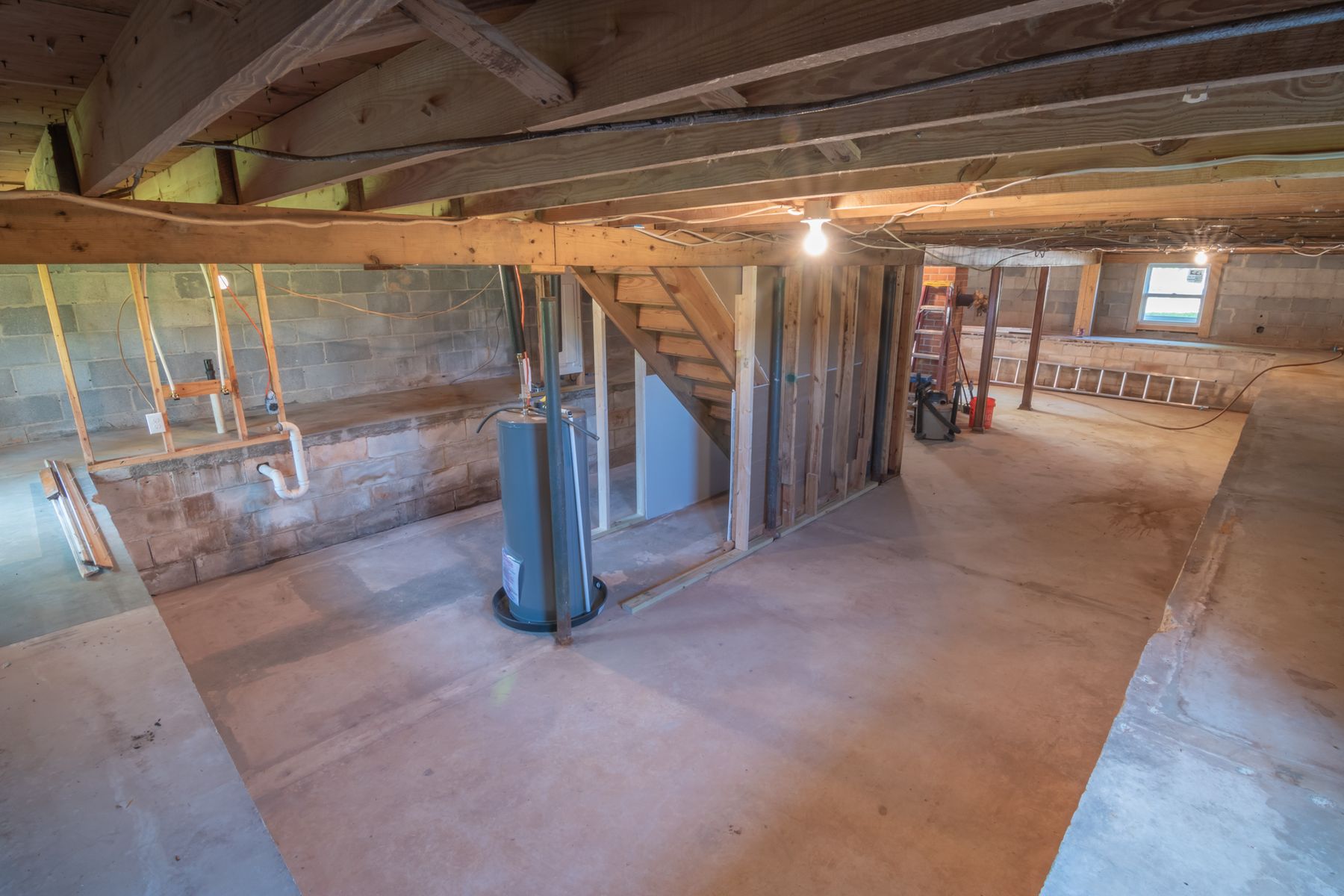
If a Littleton home gets water damage, there’s a good chance it ends up in the basement. Here are the most common reasons basements flood in the South Metro area, and what you can do about each one.
- Sump pump failures, window wells, clay-soil foundation cracks and floor drain backups cause most Littleton basement floods.
- Test the sump pump every spring and add a battery backup.
- Grade soil and extend downspouts so water drains away from the foundation.
- Sump and sewer backup damage often needs a water backup endorsement.
Sump pump failure
Many homes in Highlands Ranch, Ken Caryl, Columbine and Roxborough have perimeter drains that route groundwater to a sump pit, where a pump sends it outside. When the pump stops, water rises in the pit and spills across the basement floor.
Pumps fail for predictable reasons: power outages during storms, float switches that stick, pumps that simply wear out, and discharge lines that freeze or get blocked.
- Test the pump each spring by slowly pouring a bucket of water into the pit and watching it cycle.
- Add a battery backup pump for power outages.
- Replace pumps nearing the end of their typical service life before they fail.
- Make sure the discharge line drains well away from the house and isn’t frozen or crushed.
- Install an inexpensive water alarm in the pit or on the floor nearby.
Window wells
Basement windows sit below grade inside window wells. Without covers, wells collect snow, leaves and rain. If the drain at the bottom is clogged, or there isn’t one, water rises until it comes through the window.
- Install clear covers on window wells, especially on the side that collects drifting snow.
- Clean out debris each fall.
- Check that the well liner is sealed tight to the foundation and hasn’t pulled away.
Expansive clay soil and grading
Much of the Front Range is built on clay soils that swell when wet and shrink when dry. Over time, that movement can crack foundation walls and slabs, and the soil around a home can settle so it slopes toward the house instead of away. Water then collects against the foundation and finds the cracks.
- Keep soil sloping away from the foundation for at least the first several feet.
- Extend downspouts well away from the house.
- Clean gutters so they don’t overflow next to the foundation.
- Keep irrigation from spraying the foundation, and avoid thirsty planting beds right against the house.
Spring snowmelt and summer storms
Littleton’s worst basement flooding conditions come from heavy, wet spring snow that melts fast in sunny weather, and from summer thunderstorms that drop a lot of rain in a short time. Both put sump pumps, gutters and window wells to the test. If a big storm is in the forecast, check that the sump pump works, clear gutters and wells, and move valuables off the basement floor.
Water from inside the house
Not every basement flood comes from outside. Water heaters, washing machines, furnace humidifiers and condensate lines often sit in basement mechanical rooms, and leaks from upstairs bathrooms and kitchens drain downward. Put a drain pan with a leak sensor under the water heater, replace rubber washing machine hoses with braided ones, and know where your main shutoff is.
Sewer and floor drain backups
The basement floor drain is usually the lowest opening in your plumbing. If the main sewer line is blocked by roots, grease or a broken pipe, wastewater comes up there first. Slow drains, gurgling and sewage smells are early warnings. A plumber’s camera inspection can find the problem, and a backwater valve can help protect against municipal backups.
If your basement floods
Stay out if water is near outlets or the electrical panel. Otherwise, stop the source if you can, move belongings, photograph everything and call for help. Finished basements, with carpet pad, drywall and framing below grade, need professional extraction and measured drying to avoid mold. See basement flood cleanup for what’s involved.
Damage from sump pump failure or sewer backup is often excluded from standard homeowners policies unless you’ve added a water backup endorsement. If you have a finished basement, review your coverage before you need it.
Related service: Basement Flood Cleanup in Littleton, CO.
Sources & industry standards
This guide is general information for Littleton-area homeowners, written with reference to the sources above. It isn’t professional, legal or insurance advice. See our editorial standards.